Why the Best Ideas at ICFHR 2022 Weren't on the Main Stage
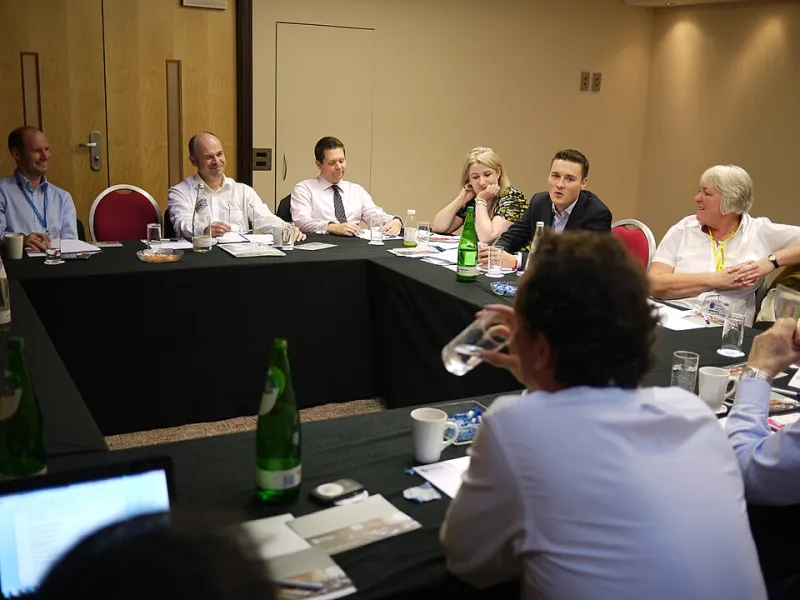
Photo: NCVO London, CC BY 2.0, via Wikimedia Commons
There is a particular kind of vanity in how American professionals attend conferences. We book the hotel early, we arrive early for the keynote, and we measure the value of our registration fee by how many big names we can claim to have seen. ICFHR 2022 was no exception — until you started asking a different question: not who spoke, but who actually talked.
The answer, according to a review of citation data and follow-up research published in the eighteen months after the conference, points to a place almost nobody planned to be: Room 204B, at eight in the morning, where the smallest sessions on the program quietly produced the field's most durable ideas.
The Roundtable Nobody Scheduled Around
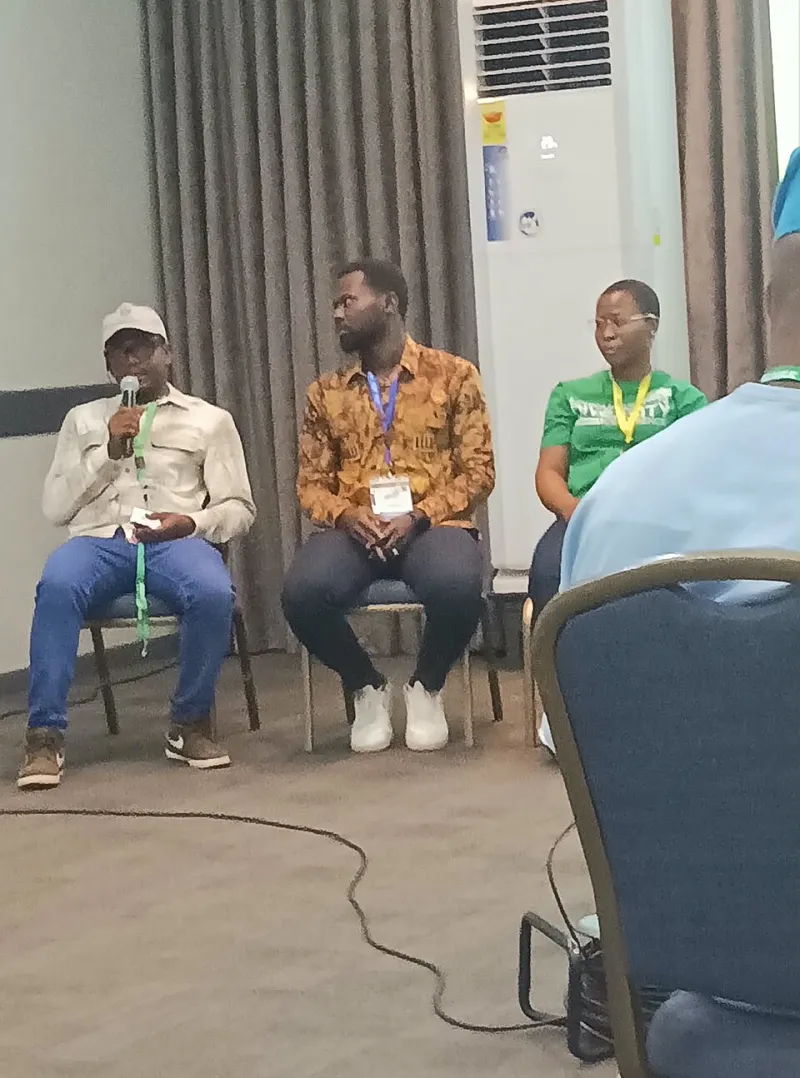
ICFHR 2022's morning roundtables were, on paper, an afterthought. Twelve chairs, a dozen folding chairs apiece, and a time slot that forced attendees to choose between caffeine and scholarship. Attendance rarely exceeded fifteen people. The keynote hall, by contrast, held over a thousand.
Yet when researchers later traced the intellectual lineage of the conference's most-cited follow-up studies, the footnotes kept leading back to those sparsely attended tables. A roundtable on longitudinal turnover modeling chaired by a mid-career scholar from a Big Ten program seeded a multi-site replication study now cited in dozens of practitioner-oriented papers. A session on pay-transparency disclosures, held the same morning, became the incubator for a working group whose findings informed state-level legislative testimony in 2023.
Why Small Rooms Beat Big Stages
The mechanics are not mysterious, but they are worth stating plainly. A keynote is broadcast; a roundtable is a conversation. In Room 204B, nobody was waiting for the Q&A. Disagreement was immediate, unfinished thoughts were permitted, and a graduate student could push back on a tenured professor without a moderator deciding whether the exchange was worth the room's time.
One session chair described the format as "peer review with the cruelty removed and the candor retained." Attendees described something simpler: they remembered each other. A shared whiteboard sketch at 8:40 a.m. became a co-authorship by the fall. That is not sentimentality — it is how research networks actually form, and it is precisely what the main stage cannot manufacture at scale.
The Practitioner's Miscalculation
Here is where US HR professionals should feel some discomfort. The prevailing calculus for conference attendance — maximize keynotes, collect the slides, get back to the office — treats learning as consumption. But the evidence from ICFHR 2022 suggests the highest-return activity is participation in rooms small enough that your absence would be noticed.
Consider the opportunity cost. A practitioner who spends three mornings in roundtables rather than three keynote seats gives up polished summaries of research they can read later in the proceedings. In exchange, they gain direct access to the people generating that research, the chance to shape what gets studied next, and relationships that outlast the conference badge. For anyone responsible for people analytics, workforce planning, or organizational development, that trade is not close.
What Conference Planners Should Take From Room 204B
The lesson is not that keynotes are worthless; they serve a legitimate function in setting agenda and signaling priorities. The lesson is that programming which treats small sessions as filler is squandering the conference's most productive real estate. Roundtables deserve prime slots, not the 8 a.m. ghetto. Chairs deserve preparation support, not just a room assignment. And attendance data should be reported honestly — including the fact that a dozen people in a small room can outperform a thousand in an auditorium.
For attendees planning their next conference calendar, the advice is blunt: skip one keynote. Sit at the table where nobody recognizes you yet. Ask the question you're afraid sounds naive. The field's biggest ideas are not announced; they are traded, quietly, over bad coffee, in rooms with numbered doors.
Room 204B was not an accident. It was a preview of what conferences could be if we stopped equating scale with substance.