Half-Empty Rows, Full Consequences: What ICFHR 2022's Ignored Ethics Track Says About American HR

Photo: Crew crew, CC0, via Wikimedia Commons
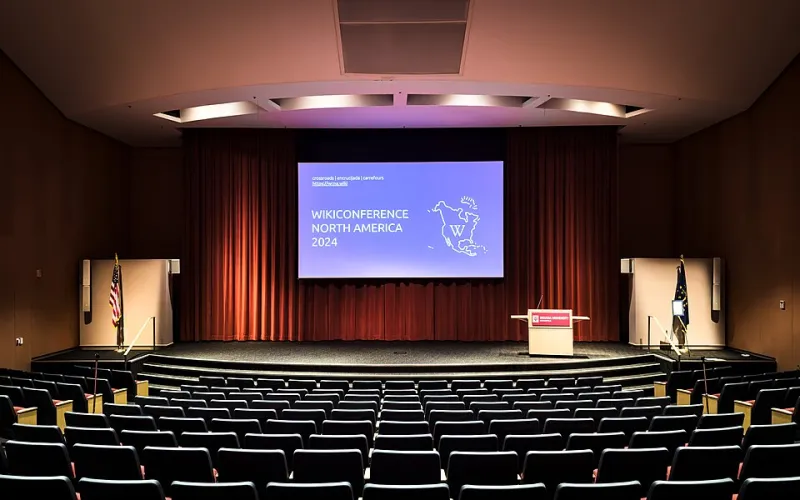
Walk the main hall at ICFHR 2022 and you would have found it packed. The people-analytics keynote ran over time. The hybrid-work panel needed overflow seating. But step into the smaller breakout room where the research integrity sessions were held, and the picture changed dramatically: rows of empty chairs, a handful of graduate students, and two panelists presenting to a room that could have fit inside a mid-sized American conference suite.
It would be easy to shrug this off as scheduling bad luck. It wasn't. And the pattern should trouble anyone planning to carry conference findings back into an American workplace.
The Attendance Numbers Nobody Wants to Discuss
Across the four-day program, the ethics and methodology track drew roughly a tenth of the attendance that the applied sessions did. Practitioners — the very audience most likely to translate research into hiring screens, engagement surveys, and retention programs — were conspicuously absent. The academic attendees who did show up were mostly early-career researchers fulfilling obligations, not veterans modeling rigor for the field.
Consider the asymmetry. The same week, dozens of US HR leaders were in the exhibit hall evaluating assessment vendors, many of whom cite peer-reviewed findings in their sales decks. Those leaders will approve six-figure contracts informed by research they never examined. Yet the session explaining how to interrogate that research sat empty.
Speed Eats Rigor
American corporate culture rewards velocity. HR teams are asked to move from insight to implementation in a single budget cycle, and a conference abstract fits neatly into a slide deck. The problem is that a findings-first approach treats methodology as a footnote rather than a foundation.
The consequences are not hypothetical. Recall how quickly US organizations adopted engagement interventions built on thin convenience samples, or the assessment tools that generalized from student populations to frontline workforces. When the underlying studies wobble, the programs built on them wobble too — and employees absorb the cost through mis-hires, biased screens, and initiatives that quietly die by Q3.
The ethics sessions at ICFHR 2022 covered exactly this terrain: sample generalizability, consent practices in workforce data collection, publication bias, and the reproducibility gaps that plague applied psychology. In other words, the material practitioners most needed was the material they most avoided.
What Empty Chairs Actually Signal
Low turnout at an ethics panel is not just a scheduling story; it is a values statement. It suggests that many attendees view research ethics as a compliance matter for academics rather than an operational competency for practitioners. That framing is wrong on both counts.
An HR leader who can distinguish a randomized controlled trial from a correlational survey is a better buyer of research-informed products. A team that asks about effect sizes before piloting a program saves budget and credibility. These are skills, and skills require exposure — the kind offered in those half-empty rooms.
A Modest Proposal for the Next Conference
The fix is neither expensive nor complicated. Program committees should schedule integrity sessions in prime slots, not graveyard hours. Professional bodies like SHRM could award continuing education credit specifically for methodology content, giving practitioners a concrete reason to attend. And vendors on exhibit floors should be asked, publicly, about the provenance of the studies behind their claims.
Meanwhile, individual practitioners can start now. Before adopting any finding from these proceedings, ask three questions: Who was studied, and does that population resemble yours? Was the effect large enough to matter operationally? Has anyone replicated it outside the original lab?
The empty rows at ICFHR 2022 were a missed opportunity for the people who skipped them. The larger risk is what happens when unvetted research fills the vacuum they left behind — quietly, credentialed, and wrong.