Quiet Networking: A Field Manual for Introverted Attendees at ICFHR 2022
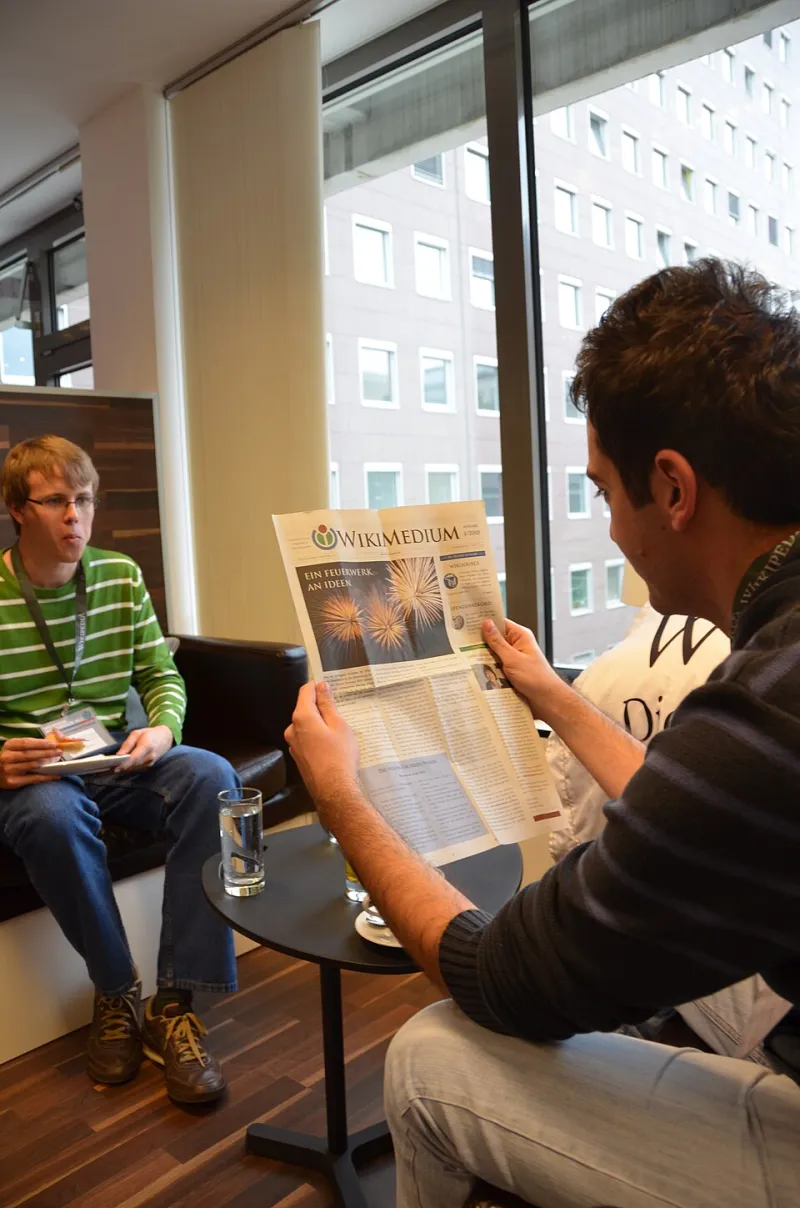
Photo: Phillip Wilke, CC BY-SA 3.0, via Wikimedia Commons
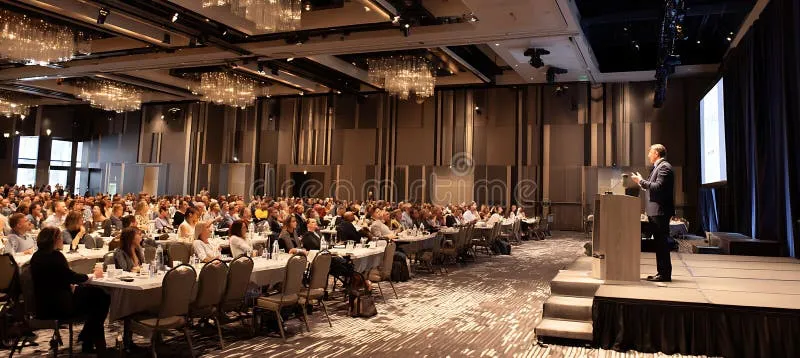
There is a particular species of dread known to introverts who register for large conferences: the realization that you have paid a substantial registration fee for the privilege of three days of small talk. It doesn't have to be that way. ICFHR 2022, like most academic gatherings, rewards preparation far more than personality. Here is how to work it on your own terms.
Before You Arrive: Do the Triage at Home
1. Choose sessions by decision, not by drift. Download the program a week early and mark exactly three sessions per day: one core to your job, one adjacent, one wild card. Everything else is optional. This single habit prevents the aimless wandering that drains introverts fastest.
2. Identify five people, not fifty. Scan the speaker list and pick five individuals whose work genuinely intersects with yours. Five deliberate conversations beat fifty hallway hellos — and they're easier to sustain if you're not naturally chatty.
3. Prepare one question per target. A specific question about someone's published work is the introvert's superpower. It requires no icebreaker, flatters the recipient, and gives the conversation an immediate spine.
During the Conference: Work the Structure, Not the Room
4. Sit front and center. Counterintuitive, but front-row seating makes you visible to speakers — who often approach you afterward, eliminating the need for you to initiate.
5. Use the Q&A microphone. Asking a prepared question from a floor mic is a public introduction that requires zero one-on-one courage. Speakers frequently seek out questioners during breaks.
6. Claim the poster session early. Poster hours are the best-kept secret for quiet attendees: the room is smaller, the presenters are standing still, and the format hands you a ready-made topic. Arrive in the first thirty minutes when the hall is calm.
7. Schedule recovery like a meeting. Block two 30-minute breaks per day in your calendar — a walk, a quiet corner, a coffee alone. Protecting your energy is not antisocial; it's what makes the evening reception survivable.
8. Skip the sessions you can read later. If proceedings will be published, your in-person time is better spent in conversations and Q&A. This is where conference value actually concentrates.
After You Leave: The Follow-Up Without the Awkwardness
9. Send the two-line email. Within 48 hours, email each of your five targets: reference their specific talk, state one takeaway, and ask one narrow question. No request for a call, no LinkedIn pitch, no agenda beyond intellectual contact. Roughly half will respond, and a surprising number of those responses turn into ongoing exchanges.
A Final Note on the Tote Bag
You will leave ICFHR 2022 with less swag than some attendees and, if you follow this plan, considerably more usable insight. That trade favors you. The goal of a research conference is not to be the most social person in the ballroom — it is to leave with knowledge you couldn't have gained from a PDF. Introverts, properly armed, are often better at exactly that.