The True Price of a Week in the Conference Hall: A CFO-Ready Cost Framework for US HR Professionals
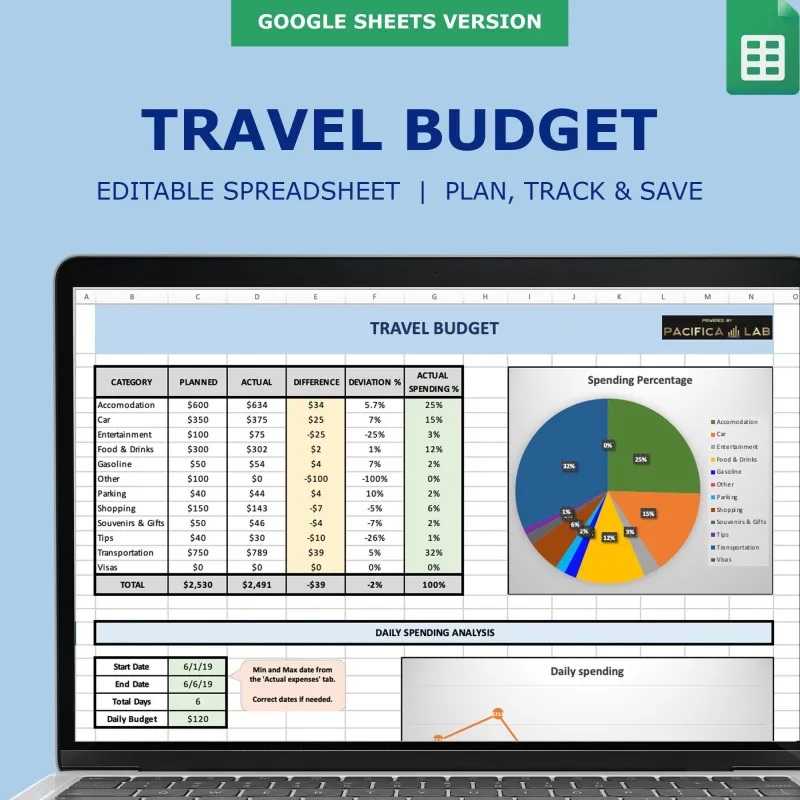
Photo: business traveler expense budget calculator desk, via i.pinimg.com
Ask most HR professionals what a conference costs and they will quote the registration fee. Ask their CFO and the answer will be two to three times higher. The gap between those two numbers is where many professional development requests quietly die — and where a well-prepared business case can win.
Using ICFHR 2022 as a reference point, this article lays out the complete cost picture for a mid-career US attendee and provides a repeatable framework for deciding when in-person attendance is justified, when virtual access is sufficient, and how to present the whole thing in language a finance leader will respect.
Counting the Visible Costs
For a US-based professional attending an international conference, the direct expenses typically fall into five buckets.
Registration. Full conference rates for major HR and management conferences generally range from $600 to $1,200, with early-bird discounts and member rates offering meaningful savings for those who plan ahead.
Airfare. A round-trip economy fare from a US hub to a European or international destination typically runs $900 to $1,600 depending on season and booking window.
Lodging. Four to five nights at conference-rate hotels commonly add $1,000 to $1,800, before taxes and resort fees that international city hotels frequently tack on.
Meals and incidentals. Even with conference catering, budget $60 to $100 per day for dinners, transportation, and incidentals — roughly $300 to $500 for the week.
Ground transportation and ancillaries. Airport transfers, baggage fees, visa costs where applicable, and the occasional required business attire purchase: plan on $150 to $400.
Add it up, and the realistic all-in figure for one person lands between $3,000 and $5,500 — before considering the least visible line item of all.
The Hidden Cost: A Week Away From Your Desk
Salary and benefits for a mid-career HR professional cost their employer roughly $2,000 to $3,500 per week, whether that person is in the office or in a conference hall. Beyond salary, though, absence has operational consequences: delayed projects, decisions postponed, and colleagues covering the gaps.
A pragmatic way to capture this is to estimate the employee cost at full weekly value, then add a conservative 20 percent coverage overhead for team disruption. On a $2,800 weekly salary, that suggests a total economic cost approaching $6,500 to $9,000 for the trip. Presenting this number proactively — rather than letting a CFO discover it — builds credibility immediately.
A Cost-Benefit Framework You Can Defend
Before requesting approval, score the conference against four questions.
1. Content fit. Will at least 40 percent of the sessions directly address problems on your current agenda? A conference on people analytics is a poor use of funds for someone spending the year on benefits administration.
2. Network value. Can you name, in advance, five people you will deliberately seek out? Conferences reward intentionality. If your answer is "I'll meet whoever I meet," the networking case is weak.
3. Reinvestment plan. What will you bring back, and to whom will you present it? A written commitment — a one-hour debrief for your HR team, a summary memo to leadership — converts attendance into organizational asset.
4. Alternative comparison. Could a $400 virtual pass plus two targeted webinars deliver 70 percent of the value at 15 percent of the cost? If yes, be honest about it. Finance leaders trust professionals who volunteer the cheaper option when it is adequate.
When Virtual Access Wins — and When It Doesn't
Virtual attendance is genuinely sufficient when your primary goal is content: keynotes, recorded sessions, and downloadable papers usually transfer well to a screen. It is a poor substitute when your goals are relational — recruiting research partners, benchmarking against peers, or evaluating vendors in an exhibit hall.
A hybrid strategy often works best: send one person in person with an explicit networking mandate, purchase virtual passes for the wider team, and require the attendee to cascade learning internally. Total cost rises modestly; total value per dollar rises substantially.
Making the Case in One Page
When you approach your CFO, lead with the total economic cost — not just the travel budget — then present the benefit framework above, a concrete reinvestment plan, and a follow-up date ninety days out at which you will report what changed because you attended. Conferences like ICFHR 2022 can absolutely justify their price. But justification is a discipline, not a feeling, and the professionals who treat it that way are the ones who keep getting their trips approved.